
AIR
AIR
Part 4 of the 4 Life cycle: Earth Water Fire Air
Premiere: 15 April 2027 8 pm / 16 / 17 April 2027 8 pm / 18 April 2027 6 pm
Orangerie Theatre, Volksgartenstr. 25, Cologne
Tickets: https://www.orangerie-theater.de/tickets-gutscheine/
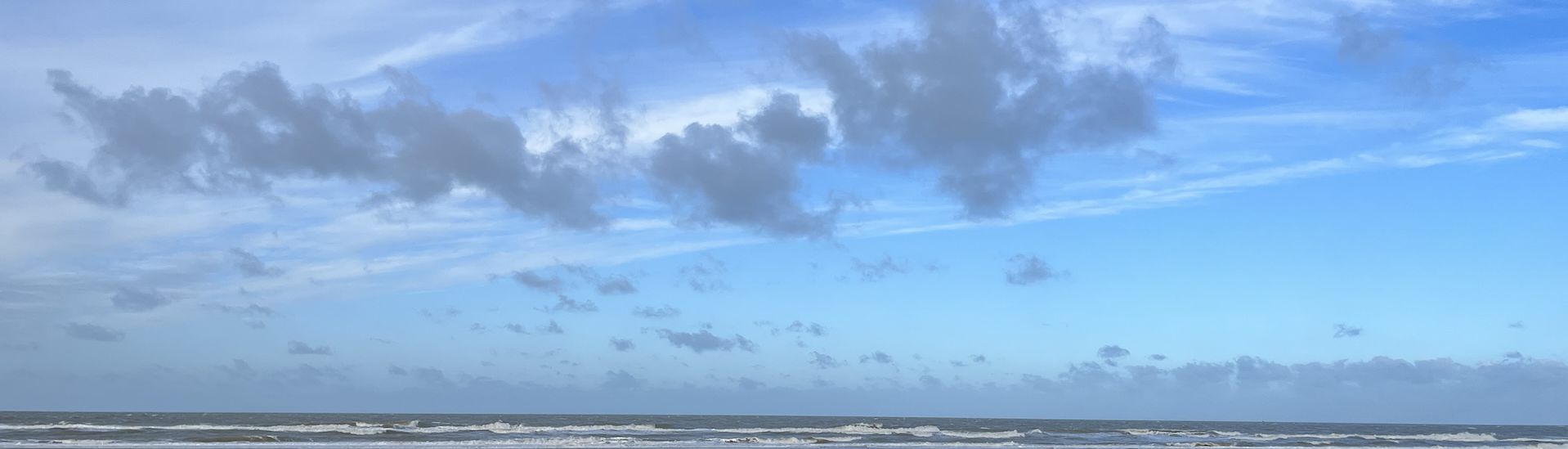
Air is the connecting element between the elements from the previous sections and brings the circle full circle: in the beginning, there were plants and their photosynthesis, the fundamental prerequisite for life. They exhale oxygen, which we all need to survive. Animals and plants need air to breathe. Fire suffocates without air, and we speak of water when it contains dissolved gases. Yet, unlike the other elements, it is invisible.
So what exactly is air, and why is it so important? Power and destruction, lightning and storms are associated in many mythologies with the gods of the wind (usually male), and sometimes also with fertility and resilience. Humankind, however, has left the divine era behind and, by controlling air movements (e.g. in steam engines), has contributed significantly to the Industrial Revolution. And today, the use of natural air currents through wind turbines is intended to help satisfy our hunger for energy. When the wind starts to move, it whistles, rustles, roars, rumbles and howls.
The fact that air is transparent and therefore allows light to reach us casts colours onto objects, makes the horizon glow and gives the sky its blue appearance. But what if the sky darkens, if we run out of air due to air pollution, volcanic eruptions, etc., or if geo-engineering is used to cool down overheated regions and the sky, seeded with sulphur particles, turns a milky white? Losing the sky is no trivial matter; this has been experienced by people who, for weeks on end at the edge of major wildfires, saw nothing but thick white clouds of smoke, but no sky. Coughing, rashes, depression, asthma, shortness of breath, hallucinations … and the instruction to stay indoors and keep the air filtration system running.
Concept: Andrea Bleikamp, Jens Standke, Rosi Ulrich
With: Kai Hufnagel, N.N.
Director: Andrea Bleikamp / Text, Dramaturgy: Rosi Ulrich / Media Art: Jens Standke / Composition, Sound-Design: Sibin Vassilev / Stage, Costum: Claus Stump / Light-Design: Jan Wiesbrock
Web photo: Eberhard Weible
Initial climate science advice: Felix Jäger, Potsdam Institute for Climate Impact Research
A production by WEHR51, in coproduction with Freihandelszone Ensemblenetzwerk Köln
Residency programme funded by the Performing Arts Fund from funds provided by the Federal Government Commissioner for Culture and the Media
Production funded by the NRW State Office for the Independent Performing Arts, Ministry of Culture and Science of the State of North Rhine-Westphalia, and the Cultural Affairs Office of the City of Cologne
 |
 |
 |
 |
 |
 |